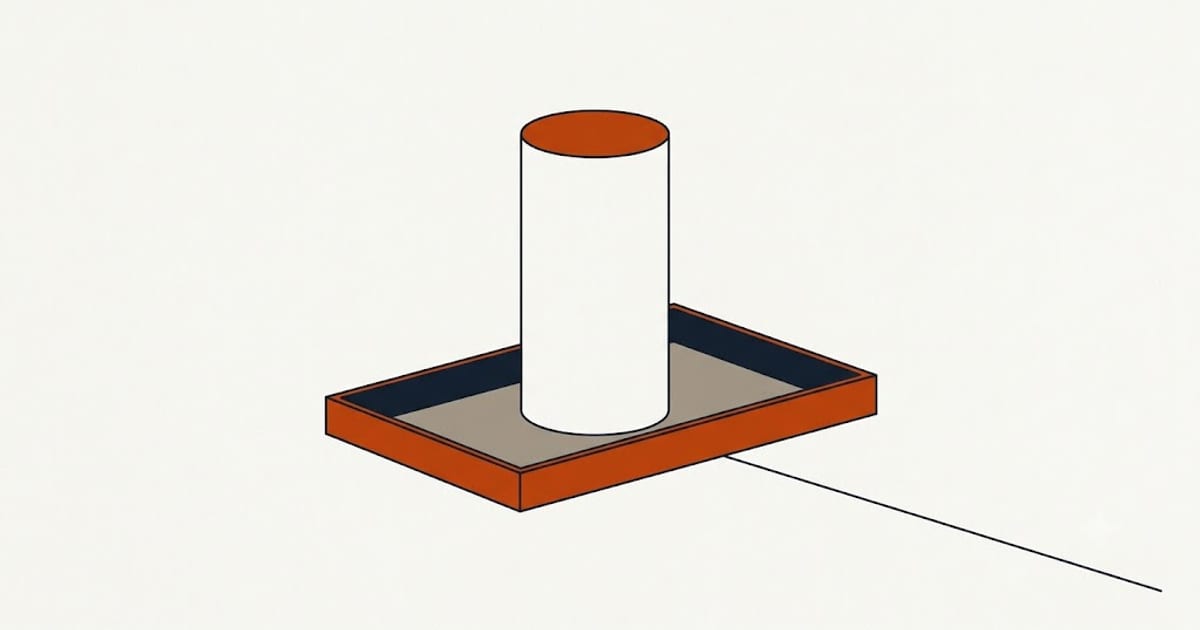
A water heater that fails does so by leaking, and the volume that arrives is not limited to what the tank holds.
What to do immediately
Close the cold water shutoff on the inlet at the top of the heater. That stops the supply feeding the leak.
If that valve is seized or absent, close the main shutoff for the house.
Turn off the power or the gas. An electric heater with the elements exposed to air burns them out; a gas heater firing on an emptying tank is worse.
Open a hot tap somewhere to relieve pressure and help the tank drain.
Drain it through the drain valve to a hose if the leak is slow enough to manage.
Where the water is coming from
A fitting or connector at the top — often repairable.
The temperature and pressure relief valve — a symptom of pressure or temperature, not usually a failed valve. Investigate rather than cap it, and never plug it.
The drain valve — replaceable.
The body of the tank — not repairable. That is the end of the heater.
Water appearing from underneath, with no identifiable fitting above it, is almost always the tank.
What prevents the damage
A drain pan under the heater, piped to a drain or outdoors. Required in many jurisdictions where a leak would damage a structure, and it handles a slow leak entirely.
A leak sensor with an automatic shutoff valve on the supply. This is the one that matters, because a pan handles a weep and does nothing about a tank that splits.
They are inexpensive, they install on the cold inlet, and they close the supply within seconds of detecting water. For a heater in an attic, on an upper floor, or above any finished space, this is the cheapest insurance available.
A shutoff valve that actually works. Old gate valves seize. A quarter-turn ball valve on the cold inlet is a few dollars and it is what someone will be reaching for in a hurry.
Where a leak is most expensive
An attic, where the water comes through a ceiling.
An upper floor.
A finished basement.
A closet in the middle of a house with no drain.
For those locations, replacing a heater at ten to twelve years rather than waiting for the failure is a reasonable decision on its own.
Insurance
Sudden and accidental water damage is generally covered; damage from long-term seepage generally is not.
That distinction is why a slow weep that has been noticed and ignored is the worst case, and why a leak sensor that raises an alarm early is worth having for the paperwork as well as for the floor.
After the water is off
Photograph everything before moving anything, if there is damage.
Get air moving on wet materials quickly — the difference between drying and mould is measured in a couple of days.
Note the model and serial number from the label before the heater is taken away, since the warranty may still be current and a tank failing inside its warranty period is a free or discounted replacement.
That last point is missed constantly, because the old unit leaves on the plumber's truck before anyone thinks to look.
The annual look
Once a year, look at the heater properly: the base for rust or staining, the fittings for green or white deposits, the relief valve discharge pipe for evidence of past discharge, and the pan for debris that would block its drain.
Five minutes, and it is the difference between finding a weep and finding a flood. Do it at the same time as the anode check and the flush, so it is one visit to the basement rather than three.