Recovery Rate
How fast a heater refills, and what that means for back-to-back showers.
5 articles
Recovery rate of a 100,000 BTU condensing gas water heater at a 60°F rise
100,000 BTU condensing gas, 60°F rise
190.1gallons per hour
about 4 minutes to replace one shower's worth of hot water
| Recovery rate | 190.1gal/hr |
|---|---|
| Time to reheat one showerabout 12 gallons of stored hot water | 4minutes |
| Heat delivered to the water100,000 BTU/hr input at 95% recovery efficiency | 95,000BTU/hr |
| Temperature risetank setpoint minus incoming water temperature | 60°F |
| HeaterPVC venting and a condensate drain — recovery in a different class | 100,000 BTU condensing gas |
Notes
- Capacity is what you have; recovery is what comes back. A 60°F rise at 95,000 BTU/hr delivered gives 190.1 gallons an hour — roughly 4 minutes to make good one shower. Two showers back to back are decided by this number, not by the size of the tank.
- Gas recovers fast enough that tank size matters less. At 190.1 GPH this heater replaces a shower in about 4 minutes, which is why a 40-gallon gas tank often outperforms a 50-gallon electric one in a busy house.
- Incoming water temperature moves this number all year. 60°F is the rise you asked for; in a northern winter the mains can arrive at 40°F and the rise becomes 80°F, cutting recovery proportionally. A heater that just copes in August is the same heater that runs out in February.
- Turning the thermostat up is not the fix people think it is. It stores more usable heat, so the first draw lasts longer, but recovery gets slower because the rise is larger. Above 120°F it also becomes a scald risk — the standard answer is a thermostatic mixing valve at the tank, which stores hot and delivers safe.
- The rating that combines both is first-hour rating, printed on the yellow EnergyGuide label: usable storage plus one hour of recovery. It is the honest single number for comparing two heaters, and it is the one the tank's gallon figure gets mistaken for.
Water heater recovery rate
42 calculations · browse all
- Recovery rate of a 40,000 BTU gas water heater at a 40°F rise
- Recovery rate of a 40,000 BTU gas water heater at a 50°F rise
- Recovery rate of a 40,000 BTU gas water heater at a 60°F rise
- Recovery rate of a 40,000 BTU gas water heater at a 70°F rise
- Recovery rate of a 40,000 BTU gas water heater at a 80°F rise
- Recovery rate of a 40,000 BTU gas water heater at a 90°F rise
- Recovery rate of a 50,000 BTU gas water heater at a 40°F rise
- Recovery rate of a 50,000 BTU gas water heater at a 50°F rise
- Recovery rate of a 50,000 BTU gas water heater at a 60°F rise
- Recovery rate of a 50,000 BTU gas water heater at a 70°F rise
- Recovery rate of a 50,000 BTU gas water heater at a 80°F rise
- Recovery rate of a 50,000 BTU gas water heater at a 90°F rise
- Recovery rate of a 75,000 BTU power-vent gas water heater at a 40°F rise
- Recovery rate of a 75,000 BTU power-vent gas water heater at a 50°F rise
- Recovery rate of a 75,000 BTU power-vent gas water heater at a 60°F rise
- Recovery rate of a 75,000 BTU power-vent gas water heater at a 70°F rise
- Recovery rate of a 75,000 BTU power-vent gas water heater at a 80°F rise
- Recovery rate of a 75,000 BTU power-vent gas water heater at a 90°F rise
- Recovery rate of a 100,000 BTU condensing gas water heater at a 40°F rise
- Recovery rate of a 100,000 BTU condensing gas water heater at a 50°F rise
- Recovery rate of a 100,000 BTU condensing gas water heater at a 60°F rise
- Recovery rate of a 100,000 BTU condensing gas water heater at a 70°F rise
- Recovery rate of a 100,000 BTU condensing gas water heater at a 80°F rise
- Recovery rate of a 100,000 BTU condensing gas water heater at a 90°F rise
- Recovery rate of a 4,500 W electric water heater at a 40°F rise
- Recovery rate of a 4,500 W electric water heater at a 50°F rise
- Recovery rate of a 4,500 W electric water heater at a 60°F rise
- Recovery rate of a 4,500 W electric water heater at a 70°F rise
- Recovery rate of a 4,500 W electric water heater at a 80°F rise
- Recovery rate of a 4,500 W electric water heater at a 90°F rise
- Recovery rate of a 5,500 W electric water heater at a 40°F rise
- Recovery rate of a 5,500 W electric water heater at a 50°F rise
- Recovery rate of a 5,500 W electric water heater at a 60°F rise
- Recovery rate of a 5,500 W electric water heater at a 70°F rise
- Recovery rate of a 5,500 W electric water heater at a 80°F rise
- Recovery rate of a 5,500 W electric water heater at a 90°F rise
- Recovery rate of a heat pump water heater at a 40°F rise
- Recovery rate of a heat pump water heater at a 50°F rise
- Recovery rate of a heat pump water heater at a 60°F rise
- Recovery rate of a heat pump water heater at a 70°F rise
- Recovery rate of a heat pump water heater at a 80°F rise
- Recovery rate of a heat pump water heater at a 90°F rise
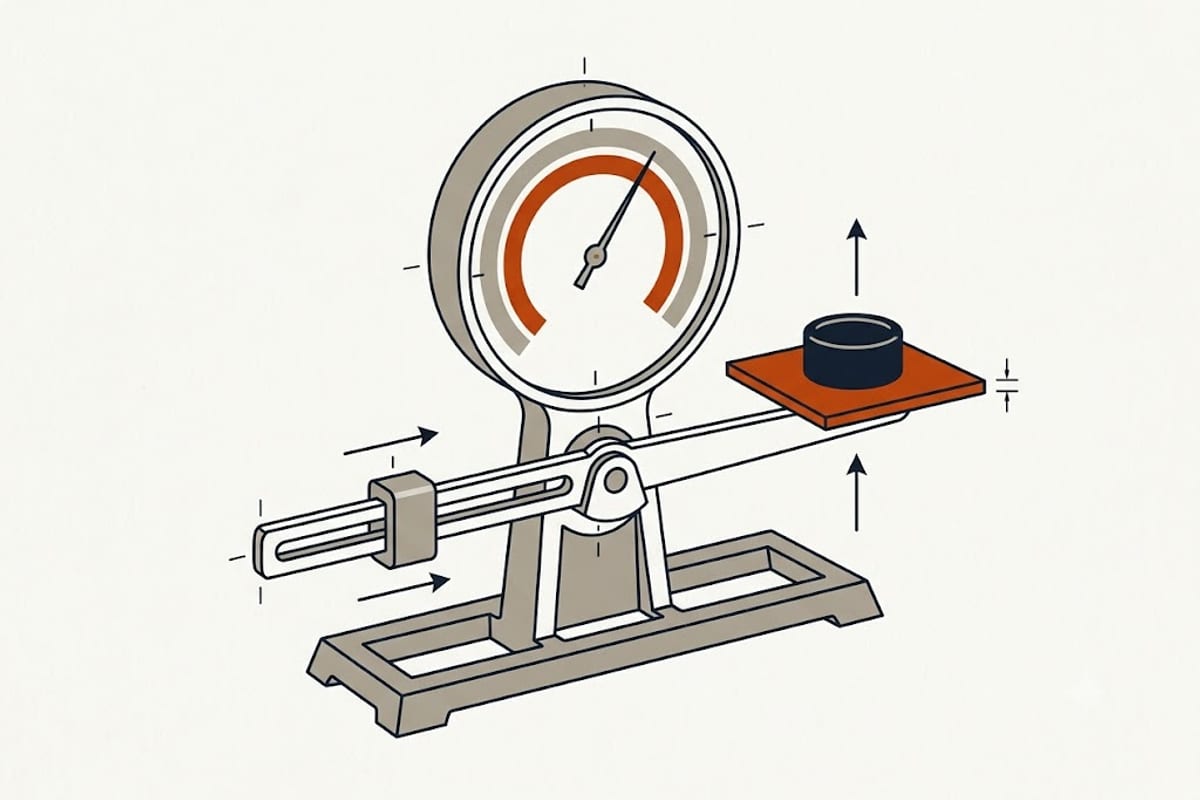 120 or 140 — The Temperature Setting Is a Genuine Trade-Off
The two pieces of standard advice contradict each other, and there is a fitting that resolves it.
 Recovery Rate — How Fast the Tank Refills With Hot Water
Two households with the same tank have different experiences, and the difference is how fast it comes back.
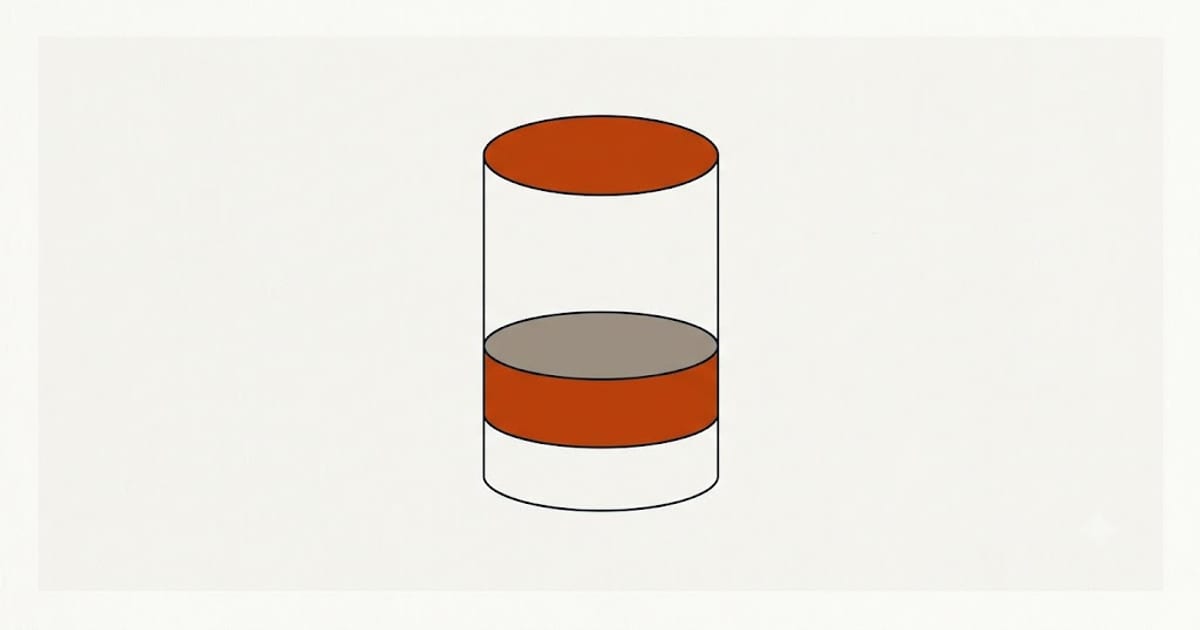 Sediment — Why an Older Heater Gets Slower and Noisier
The popping noise from an old gas water heater is steam forming under a layer of mineral deposit.
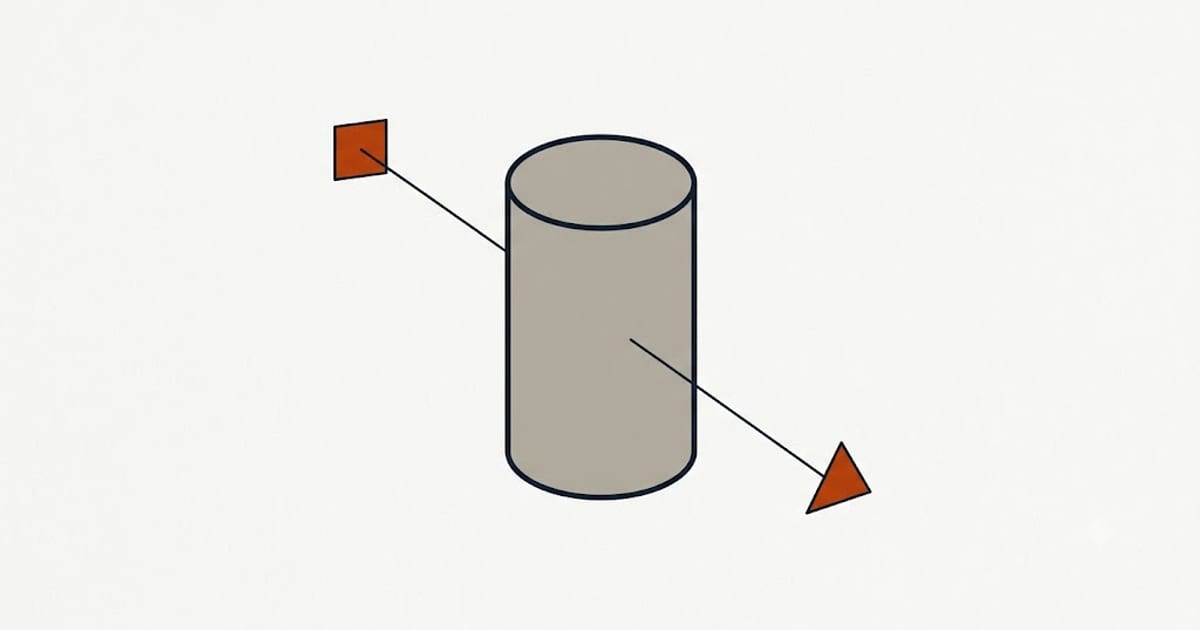 Two Showers at Once — Why It Empties a Tank So Fast
The tank holds fifty gallons and it does not hold fifty gallons of usable hot water.
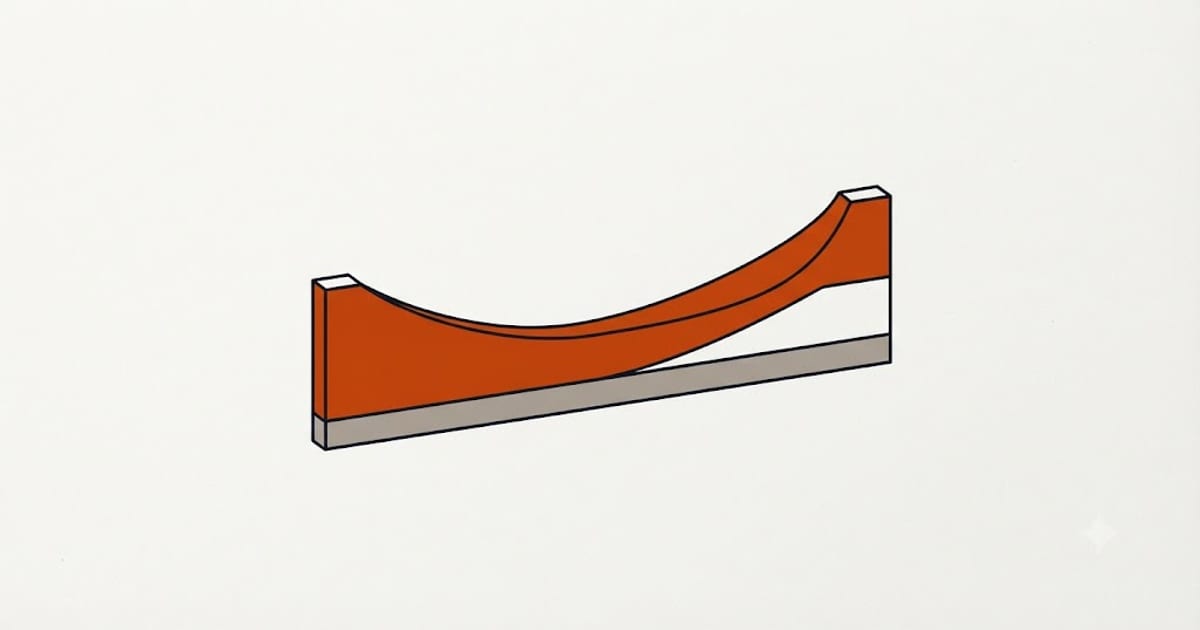 Why Hot Water Runs Out Faster in Winter (And It Is Not a Fault)
Nothing broke in October. The water arriving from the street got colder, and that changes both how much hot water you have and how fast it comes back.