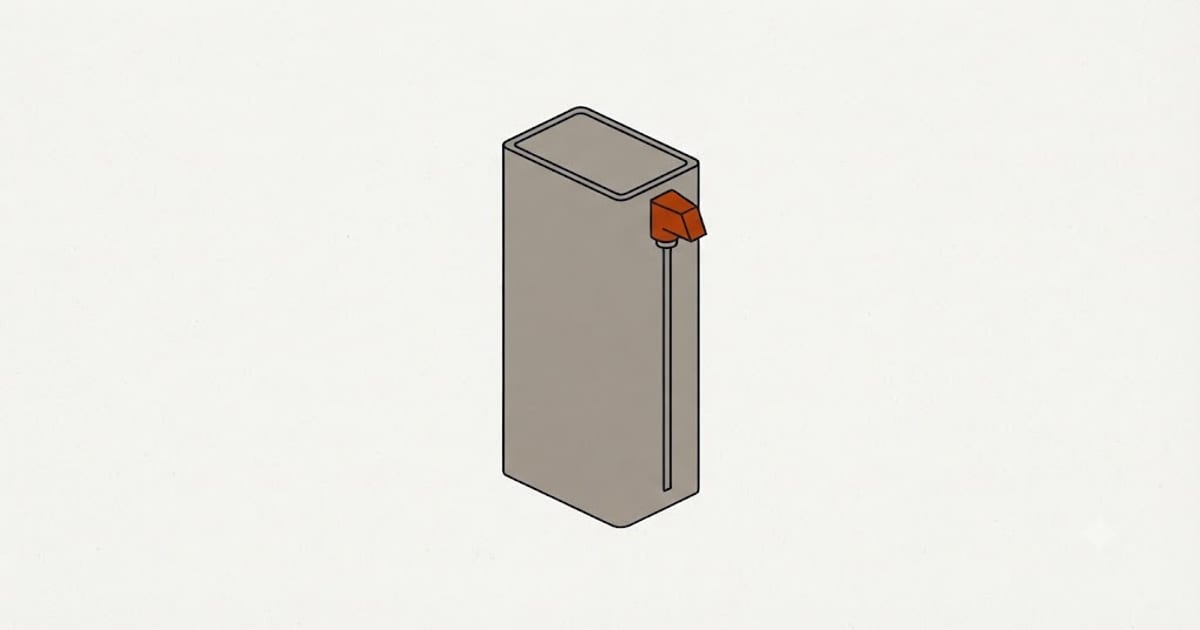
The temperature and pressure relief valve on a water heater is a safety device with one job: open before the tank can rupture. When it starts letting water out, the instinct is to replace it. That is almost always the wrong move, because in most cases the valve is working correctly and reporting a condition that is genuinely present.
Replace it and the new one starts weeping in a few weeks, because nothing about the plumbing changed.
The valve opens on two triggers
It is set to relieve at 150 psi or 210°F, whichever arrives first. Both numbers are stamped on the valve body. Pressure is far and away the more common trigger in a house.
Cause one: thermal expansion in a closed system
Water expands as it heats — roughly 2% by volume going from cold mains to 120°F. In an old house that expansion pushed harmlessly back into the street main.
Most houses are no longer open like that. A backflow preventer, a pressure reducing valve with a check function, or a check valve at the meter turns the plumbing into a closed system. Now the expanding water has nowhere to go, and pressure climbs sharply every time the burner fires. A closed system with no expansion tank can easily pass 150 psi during a heating cycle, then fall back when a tap is opened — which is why the drip appears intermittently and never when the plumber is standing there.
The fix is a thermal expansion tank on the cold supply near the heater. It is a small vessel with an air bladder that absorbs the expansion. It is required by code in a closed system, it costs little, and it is the single most common answer to this complaint.
Two details decide whether it works:
- Pre-charge it to match the house static pressure, measured with a gauge on a hose bib, before installing. A tank shipped at 40 psi on a 70 psi system is already fully compressed and does nothing.
- Check it periodically. Press the valve stem on the tank; air should come out. Water means the bladder has failed and the tank is now a dead weight.
Cause two: house pressure is simply too high
If static pressure sits above about 80 psi, the valve may relieve without any thermal effect at all. Code caps water service pressure at 80 psi for this reason, and municipal mains in some areas run well over 100.
Measure it. A pressure gauge that screws onto an outside tap costs very little and settles the question in seconds. Above 80 psi the answer is a pressure reducing valve at the service entry — which will also, incidentally, close the system and create the expansion problem above, so the two jobs belong together.
Cause three: the thermostat is running away
If the discharge is genuinely hot — not just warm — and the tap water scalds, this is a temperature release, and it is the serious case. A failed thermostat or a stuck element can drive tank temperature past 210°F, at which point the valve is the only thing standing between you and a tank that turns into a rocket.
Do not touch the valve. Turn the heater off at the breaker or the gas control and get it looked at. This is the failure mode the valve exists to prevent, and it is the one where "the valve is leaking" is completely the wrong description of what is happening.
Cause four: the valve itself
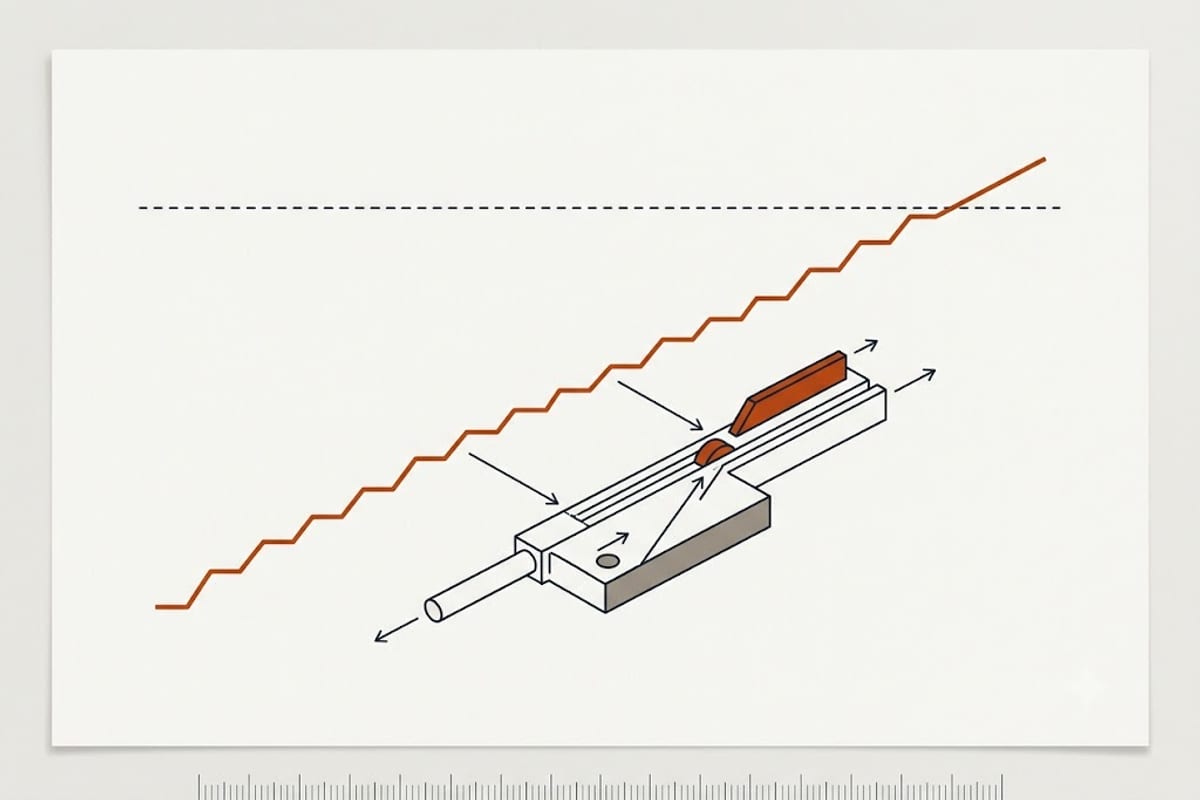
Valves do fail, usually by not sealing after they have operated a few times, and sediment lodging on the seat is the usual reason. This is the last thing to conclude, not the first — and it is a reasonable conclusion only after pressure has been measured and an expansion tank confirmed present and working.
If the valve has never been operated in fifteen years, it is also worth knowing that many will not reseat after being tested manually. That is not a reason to avoid testing; it is a reason to have a replacement to hand.
How to work through it
- Measure static pressure at a hose bib with the house quiet. Over 80 psi is the answer.
- Watch it during a heating cycle with the gauge still fitted. A pressure that climbs steeply while the burner runs and falls when a tap opens is thermal expansion in a closed system.
- Look for an expansion tank. If there is none, that is the fix. If there is one, press its air valve — water coming out means it has failed.
- Feel the discharge. Very hot water means a temperature release. Stop and shut the heater down.
- Only then consider the valve.
The discharge pipe is not optional
Whatever the cause, the T&P valve must have a discharge pipe running down to within six inches of the floor, in rigid material rated for the temperature, with no valve in it and no threaded end. If a relief valve does its job at full flow, it releases scalding water at high velocity, and the pipe is what keeps that at floor level instead of at face level.
A capped or valved discharge line is one of the few genuinely dangerous things found routinely in domestic plumbing.