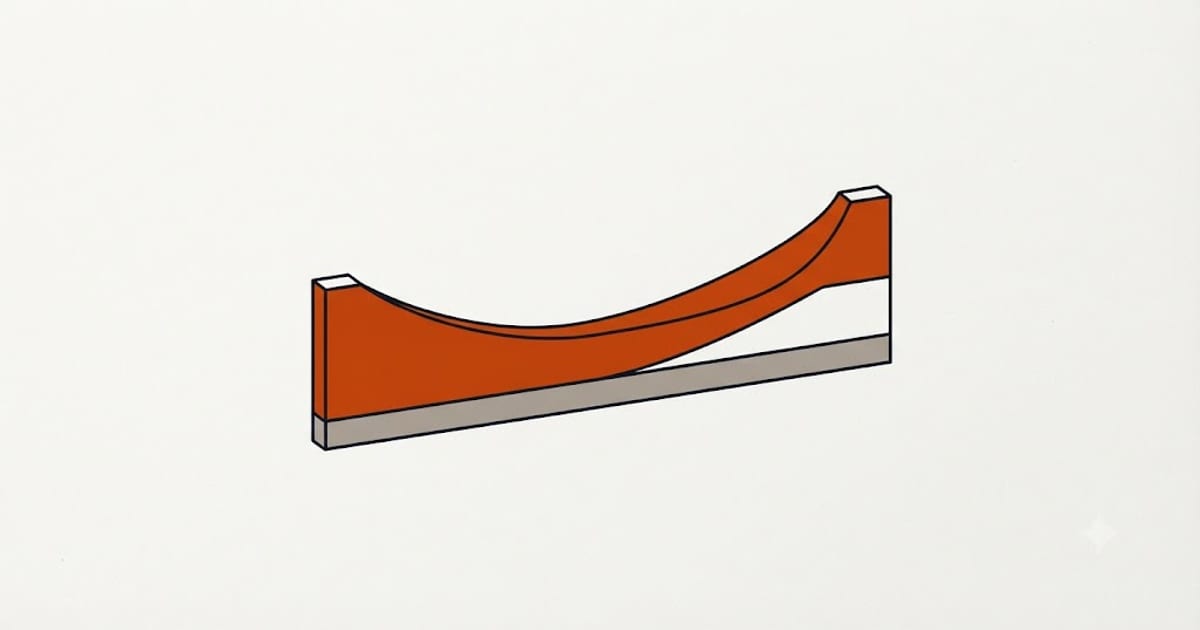
Every plumber hears this call in December. The heater worked all summer, nothing was touched, and now the second shower is cold. Nothing is broken. The water arriving at the house got colder, and that single change works against you twice over.
The two things that change at once
You use more hot water per shower. A shower is a mix. If you want water at 105°F and the tank holds 120°F, the proportion of hot to cold in that mix depends entirely on how cold the cold is.
| Season | Incoming cold | Hot water in a 2.0 GPM shower | Hot used in 10 minutes |
|---|---|---|---|
| Summer | 70°F | 1.4 GPM | 14 gallons |
| Spring / autumn | 55°F | 1.5 GPM | 15 gallons |
| Winter, northern US | 40°F | 1.6 GPM | 16 gallons |
That is a 15% increase in draw, before anything else happens.
The heater refills more slowly. Recovery is heat input divided by the temperature rise:
Recovery (GPH) = BTU per hour delivered ÷ (8.33 × temperature rise)
In August a 40,000 BTU gas heater lifting water from 70°F to 120°F handles a 50°F rise and recovers about 73 gallons an hour. In February, lifting from 40°F to 120°F, the rise is 80°F and recovery falls to about 46 gallons an hour.
So you are drawing more and it is coming back slower — the two effects multiply. A house that comfortably managed three consecutive showers in July can genuinely fail at two in January, with a heater in perfect condition.
The rough size of it
Usable hot water before the tap turns lukewarm is not the tank's rated gallons. It is roughly 70% of them, because cold water entering at the bottom mixes with the hot as the tank empties. Applying both winter effects to a 50-gallon tank:
- Summer: about 35 usable gallons, at 14 gallons per shower — two and a half showers, with recovery keeping pace.
- Winter: about 35 usable gallons, at 16 gallons per shower — two showers, and recovery replacing a shower's worth every 21 minutes rather than every 13.
What actually fixes it
Space the showers. Free, and it works. Twenty minutes between showers in winter puts back what ten minutes did in summer. Most households solve this without realising by simply shifting one person to the evening.
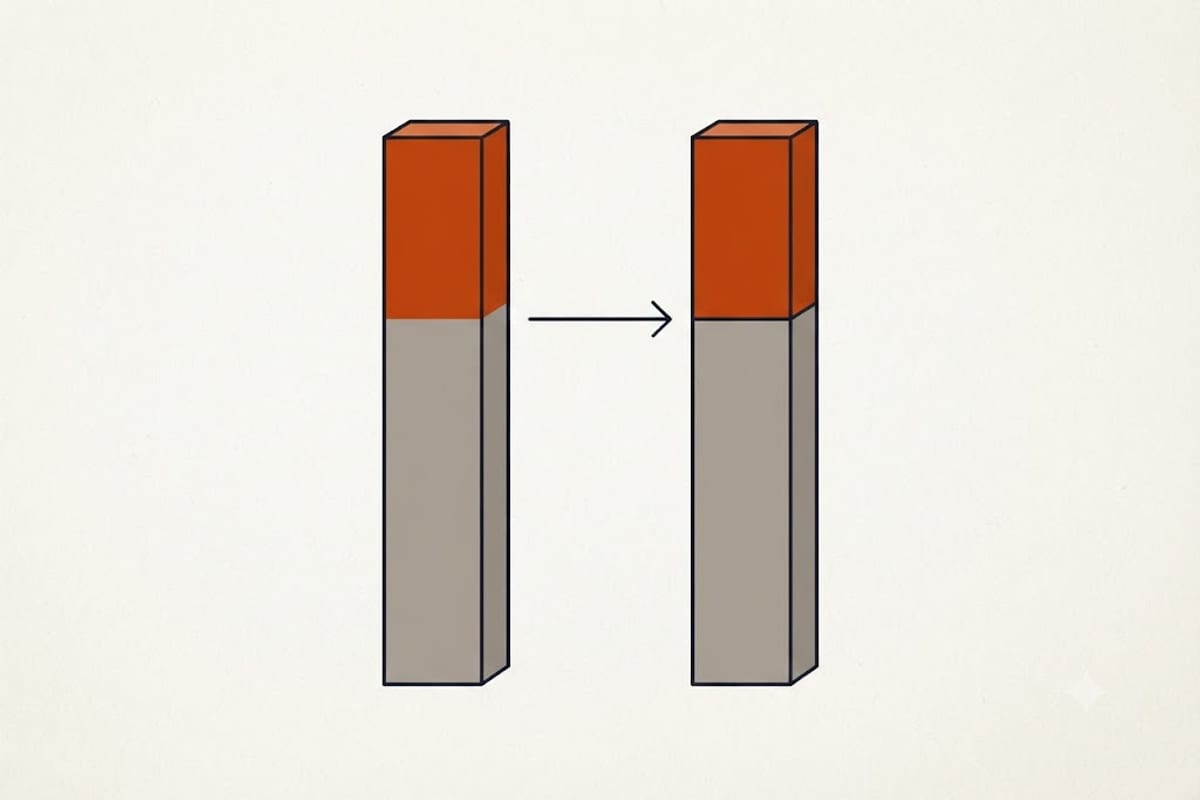
Fit a thermostatic mixing valve and raise the tank. This is the real answer, and it is not the same as just turning the thermostat up. A mixing valve at the tank lets you store at 140°F and deliver 120°F to the house. Storing hotter means each stored gallon carries more usable heat, so the same 50-gallon tank stretches noticeably further — while the mixing valve keeps the temperature at the tap safe.
Turning the thermostat up without a mixing valve gives you the extra capacity and a scald hazard with it. At 140°F a child's skin burns in about five seconds.
Insulate the first six feet of pipe. Both hot and cold lines at the tank. It is cheap, it takes an hour, and in an unheated basement or crawlspace it cuts standby losses that are at their worst in exactly the months this problem appears.
What does not fix it
Turning the thermostat up on its own. More capacity, slower recovery (larger rise), and a burn risk. Do it with a mixing valve or not at all.
Buying a bigger tank without checking the burner. A 65-gallon tank with the same 40,000 BTU burner stores more and recovers no faster. If the complaint is "we run out during the morning rush", storage helps. If it is "the last person always gets cold water", recovery is the constraint and a larger tank does very little.
Assuming it must be the dip tube. A broken dip tube does cause sudden loss of hot water, and it is worth ruling out — but it fails abruptly and at any time of year. A shortfall that arrives with the first cold snap and disappears in April is seasonal, not mechanical.
When it is actually a fault
Seasonal decline is gradual and reverses. Suspect a real problem when:
- the change was sudden rather than following the weather,
- hot water runs out in summer too,
- water comes out rusty or with debris — a failing dip tube or a corroded tank,
- the burner or elements cycle constantly without the water getting hot,
- or there is water on the floor, which is the end of the conversation.
Otherwise the heater is doing exactly what the arithmetic says it should, in water 30 degrees colder than it was in July.