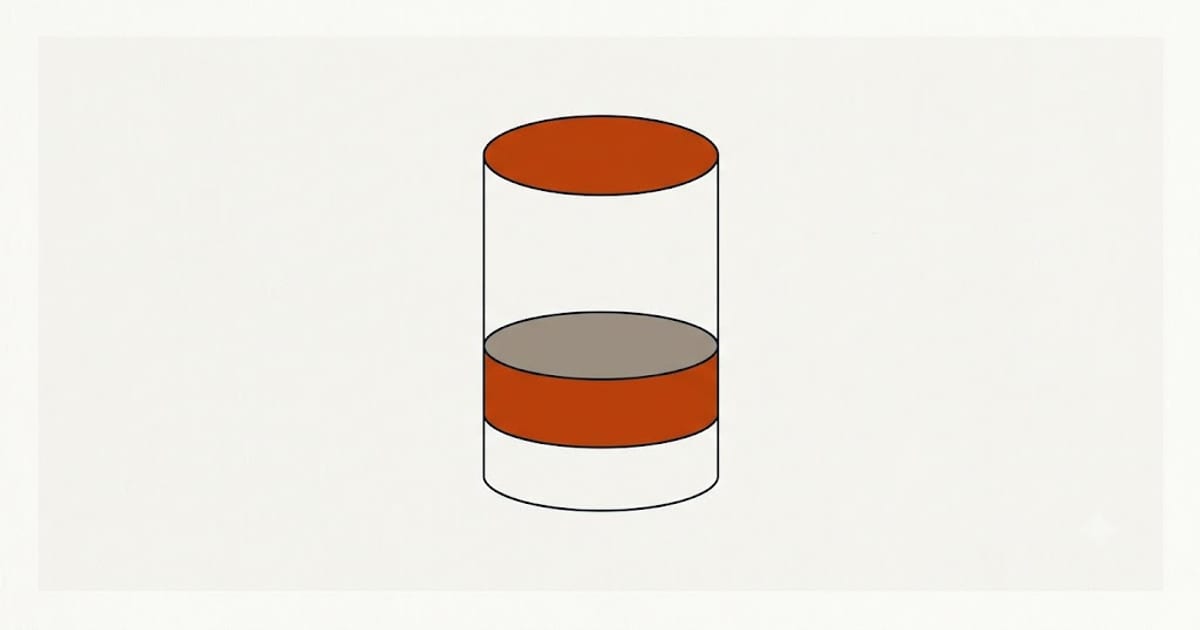
Every gallon of water entering a heater carries dissolved minerals. Heat drives them out of solution and they settle.
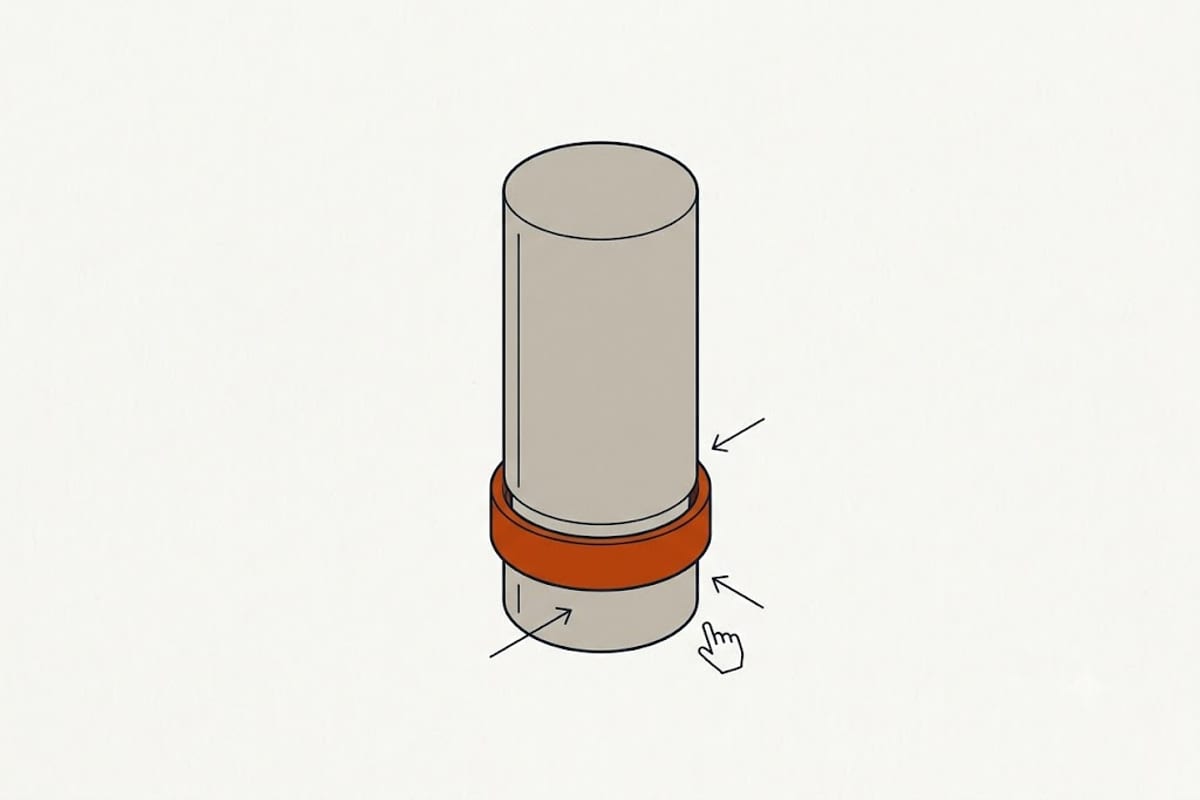
What it does
On a gas heater, the burner is underneath and the sediment forms an insulating layer between the flame and the water.
The tank bottom then runs hotter than designed, which stresses the glass lining and the steel, and the water above heats more slowly. Water trapped under the deposit flashes to steam and escapes as bubbles — that is the popping and rumbling an older gas heater makes.
On an electric heater, the lower element sits in the sediment and becomes coated. Scale insulates it, it runs hotter, and it fails early.
On both, the usable capacity falls, because the volume occupied by sediment is not water.
The symptoms
Popping, rumbling or crackling during heating.
Slower recovery than the heater used to have.
Less hot water than it used to deliver.
Sediment in the aerators at the taps.
An electric heater's lower element failing repeatedly.
Flushing it
Turn off the gas or the power. Let the tank cool somewhat, or at least be aware the water is hot.
Connect a hose to the drain valve at the base, run it to a drain or outdoors, close the cold inlet, open a hot tap upstairs to break the vacuum, and open the drain valve.
Let it run until the water runs clear. Opening the cold inlet briefly while draining stirs the bottom and carries more sediment out.
Close the drain, refill with the hot tap open until water flows steadily, then restore power or gas. Never energise an electric heater with the tank empty — the elements burn out immediately.
The interval
Annually in most water, more often in hard water.
A partial flush — a few gallons from the drain valve — is quicker and removes some of it. A full flush removes more.
When the drain valve will not cooperate
Factory drain valves are often plastic and they clog with the sediment they are meant to remove, or fail to reseat afterwards and drip.
Two approaches: replace it with a full-port brass ball valve, which makes every future flush easy, or accept that on a heater that has never been flushed in ten years, disturbing the sediment may create a problem that was not there.
That second point is genuine. A very old, never-flushed tank is sometimes best left alone until it is replaced — and then the new one is flushed from the first year.
Hard water
Where the water is hard, sediment and scale accumulate faster and the heater's life is shorter.
A water softener addresses it and brings its own trade-off: softened water is harder on the anode rod, so the anode needs checking more often.
Tankless heaters are more sensitive to scale than tanks, since the passages are narrow, which is why they carry a descaling schedule.
What flushing does not fix
A leaking tank.
A failed element or thermostat, which produces the same "not enough hot water" symptom and needs testing rather than flushing.
An undersized heater for the household's peak.
Flushing restores a heater to what it was. Where it was never adequate, the answer is the first hour rating calculation instead.
Testing an electric element
Where recovery has fallen on an electric heater, a failed element is at least as likely as sediment.
With the power off, an element is tested for continuity across its terminals and for a short to the tank. An open element gives no continuity; a shorted one gives continuity to ground.
A heater running on one element delivers roughly half the recovery and about half the hot water, which is exactly the complaint sediment produces. Testing takes five minutes and it distinguishes the two.