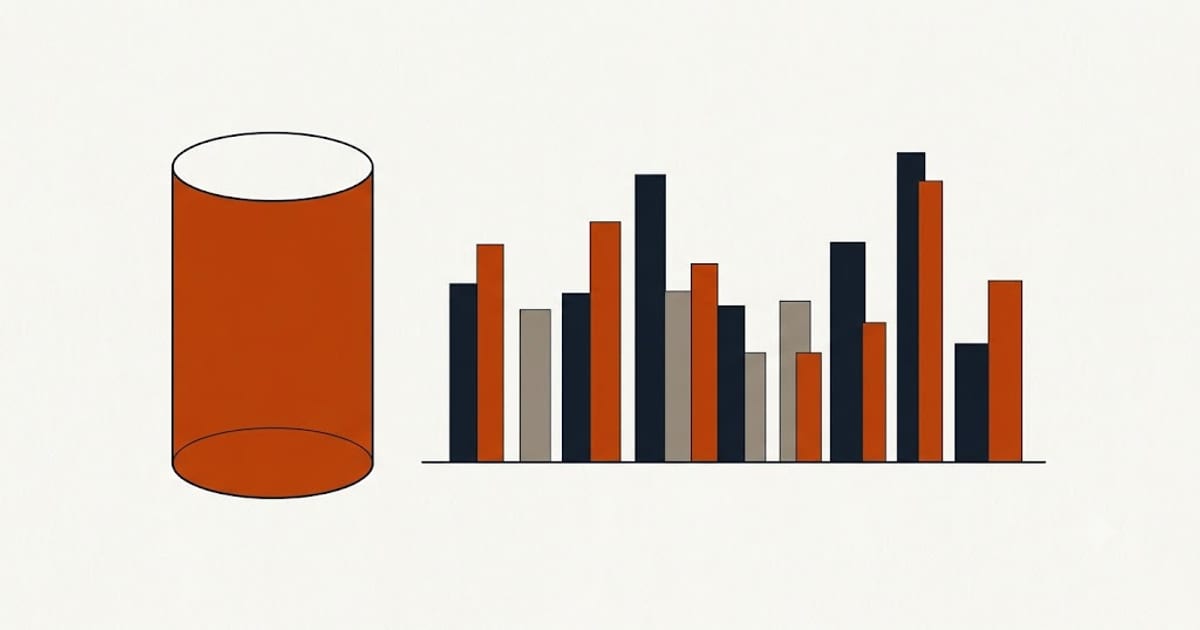
Replacing a 50-gallon gas water heater costs $1,602 in Arkansas and $2,153 in Oregon, against a national figure of $1,850.
The job is about 45% labour. The heater itself costs the same everywhere, so only the labour half moves with the state — and the table below is exactly that calculation, using published BLS plumber pay.
Every state
| State | Plumbers mean pay | Labor factor | Typical total | Bid range |
|---|---|---|---|---|
| Alabama | $57,750 | 0.8 | $1,684 | $1,183 – $2,457 |
| Alaska | $90,460 | 1.253 | $2,061 | $1,448 – $3,008 |
| Arizona | $67,940 | 0.941 | $1,801 | $1,266 – $2,629 |
| Arkansas | $50,640 | 0.702 | $1,602 | $1,125 – $2,338 |
| California | $82,320 | 1.141 | $1,967 | $1,382 – $2,871 |
| Colorado | $69,090 | 0.957 | $1,814 | $1,275 – $2,648 |
| Connecticut | $75,400 | 1.045 | $1,887 | $1,326 – $2,754 |
| Delaware | $68,110 | 0.944 | $1,803 | $1,267 – $2,632 |
| District of Columbia | $91,200 | 1.264 | $2,070 | $1,454 – $3,020 |
| Florida | $56,030 | 0.776 | $1,664 | $1,169 – $2,428 |
| Georgia | $58,220 | 0.807 | $1,689 | $1,187 – $2,465 |
| Hawaii | $82,810 | 1.147 | $1,973 | $1,386 – $2,879 |
| Idaho | $58,450 | 0.81 | $1,692 | $1,189 – $2,469 |
| Illinois | $93,400 | 1.294 | $2,095 | $1,472 – $3,057 |
| Indiana | $75,660 | 1.048 | $1,890 | $1,328 – $2,759 |
| Iowa | $70,030 | 0.97 | $1,825 | $1,283 – $2,664 |
| Kansas | $71,410 | 0.989 | $1,841 | $1,294 – $2,687 |
| Kentucky | $68,870 | 0.954 | $1,812 | $1,273 – $2,644 |
| Louisiana | $62,620 | 0.868 | $1,740 | $1,223 – $2,539 |
| Maine | $66,570 | 0.922 | $1,785 | $1,255 – $2,606 |
| Maryland | $73,510 | 1.019 | $1,865 | $1,311 – $2,723 |
| Massachusetts | $90,410 | 1.253 | $2,060 | $1,448 – $3,007 |
| Michigan | $77,250 | 1.07 | $1,909 | $1,341 – $2,786 |
| Minnesota | $86,700 | 1.201 | $2,018 | $1,418 – $2,945 |
| Mississippi | $56,690 | 0.786 | $1,671 | $1,175 – $2,439 |
| Missouri | $75,010 | 1.039 | $1,883 | $1,323 – $2,748 |
| Montana | $78,190 | 1.083 | $1,919 | $1,349 – $2,801 |
| Nebraska | $65,710 | 0.91 | $1,775 | $1,248 – $2,591 |
| Nevada | $71,510 | 0.991 | $1,842 | $1,295 – $2,689 |
| New Hampshire | $66,230 | 0.918 | $1,781 | $1,252 – $2,600 |
| New Jersey | $92,590 | 1.283 | $2,086 | $1,466 – $3,044 |
| New Mexico | $61,790 | 0.856 | $1,730 | $1,216 – $2,525 |
| New York | $83,790 | 1.161 | $1,984 | $1,394 – $2,896 |
| North Carolina | $56,720 | 0.786 | $1,672 | $1,175 – $2,440 |
| North Dakota | $66,160 | 0.917 | $1,781 | $1,251 – $2,599 |
| Ohio | $69,700 | 0.966 | $1,822 | $1,280 – $2,658 |
| Oklahoma | $58,970 | 0.817 | $1,698 | $1,193 – $2,478 |
| Oregon | $98,450 | 1.364 | $2,153 | $1,513 – $3,142 |
| Pennsylvania | $77,050 | 1.068 | $1,906 | $1,340 – $2,782 |
| Rhode Island | $81,610 | 1.131 | $1,959 | $1,377 – $2,859 |
| South Carolina | $55,890 | 0.774 | $1,662 | $1,168 – $2,426 |
| South Dakota | $55,530 | 0.769 | $1,658 | $1,165 – $2,420 |
| Tennessee | $60,500 | 0.838 | $1,715 | $1,205 – $2,504 |
| Texas | $60,780 | 0.842 | $1,719 | $1,208 – $2,508 |
| Utah | $64,210 | 0.89 | $1,758 | $1,235 – $2,566 |
| Vermont | $68,980 | 0.956 | $1,813 | $1,274 – $2,646 |
| Virginia | $60,650 | 0.84 | $1,717 | $1,207 – $2,506 |
| Washington | $88,800 | 1.23 | $2,042 | $1,435 – $2,980 |
| West Virginia | $58,780 | 0.814 | $1,696 | $1,191 – $2,475 |
| Wisconsin | $84,720 | 1.174 | $1,995 | $1,402 – $2,911 |
| Wyoming | $61,890 | 0.858 | $1,731 | $1,217 – $2,527 |
Like-for-like is the cheap path, and usually the right one
A same-type, same-size swap reuses the gas line, the vent, the water connections and the space. The figures above price that.
Every change away from it adds a trade:
- Electric to gas needs a gas line and a vent.
- Gas to electric needs a 240 V circuit, typically 30 A on 10 AWG, where there may be none.
- Tank to tankless usually needs both the gas line and the venting upsized, and those two lines regularly exceed the price of the heater.
That is why two quotes on "a new water heater" can differ by three thousand dollars while describing the same appliance.
Code catches up with you at replacement
An expansion tank where the supply has a check valve or a pressure reducing valve. A drain pan with a run to daylight. Seismic strapping in the west. A dedicated shutoff. Sediment-trap details on the gas line.
None of it was required when the old unit went in, and all of it is required now. A quote that is conspicuously cheap is often a quote that skips these, and they surface at inspection — or, in the case of the expansion tank, as a relief valve that starts weeping a month later.
Buy for recovery, not for the tank number
A 40-gallon gas heater with a decent burner delivers more hot water in an hour than a 50-gallon electric one with two elements, because first-hour rating combines what is stored with what can be reheated during that hour.
That figure is on the yellow EnergyGuide label. It is the number that decides whether anyone runs out, and it is the one the gallon rating keeps getting mistaken for.
Measure before you commit to a size
Post-2015 tanks are fatter than the ones they replace, because the efficiency standards added insulation. A closet built around a 1990s heater frequently will not take its modern equivalent — a surprise that arrives with the old tank already drained.
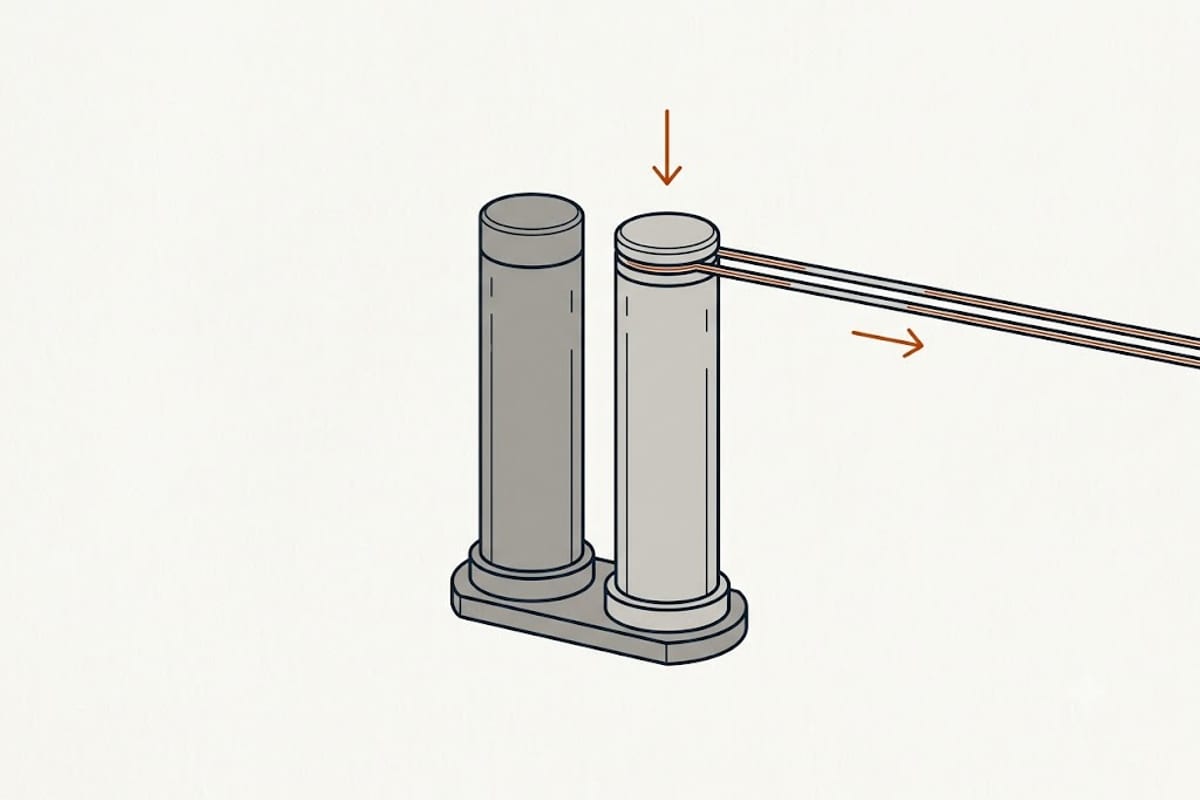
Measure the ceiling too, not just the alcove. The anode rod is around 44 inches long and lifts straight up out of the top, and the anode is the single component that decides whether the tank lasts eight years or eighteen. Where headroom is short, fit a segmented rod at install time rather than discovering the problem in year six.
What the figure excludes
A gas line upsize. New venting. An electrical circuit for an electric unit. And bringing an old installation up to current code, which is the largest variable in the whole job and the one least often itemised.